01
The process is still scattered
Important work moves between paper, spreadsheets, messaging apps, and people’s memory.
Service 01
Websites, platforms, portals, and digital tools built around the people who must use and maintain them.
Discuss this work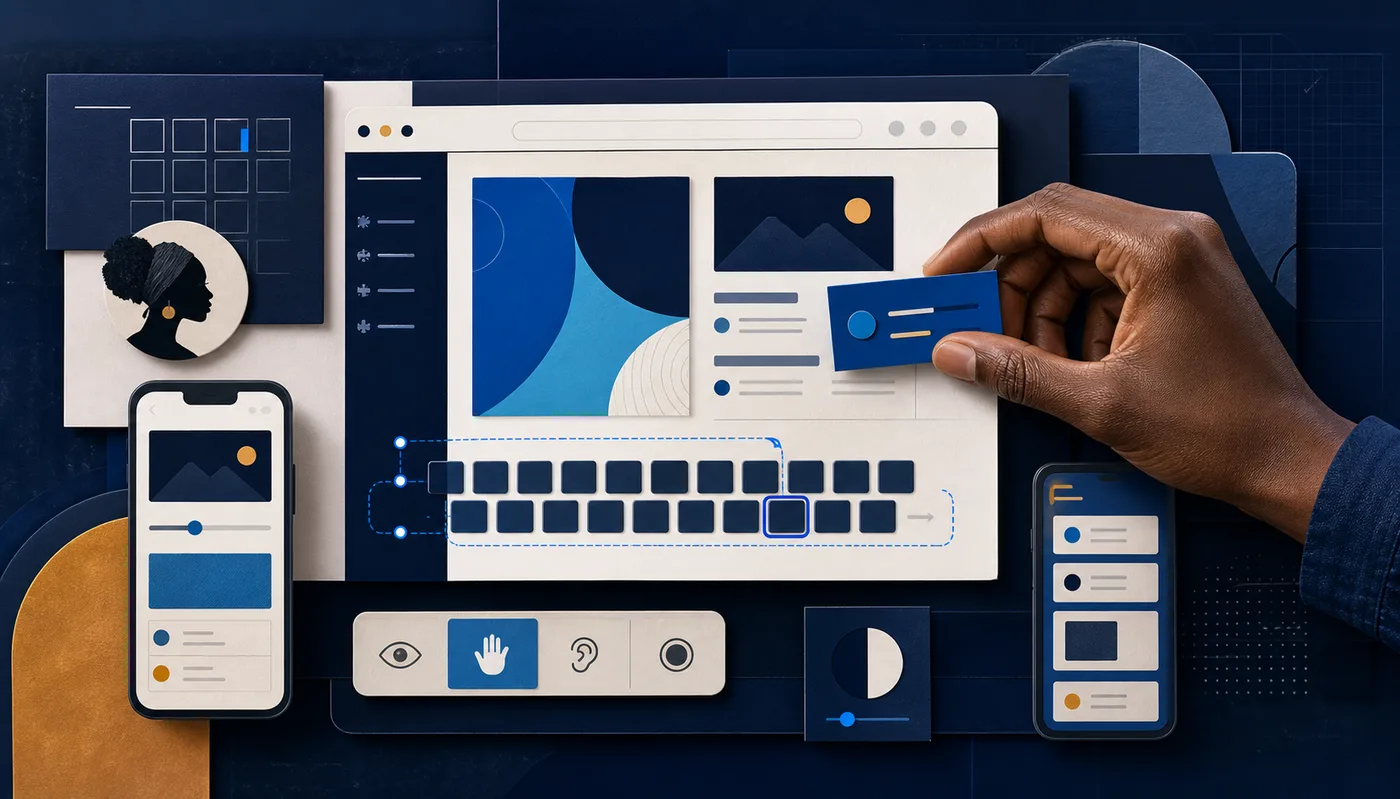
What experience teaches us
A system can look impressive in a presentation and still make everyday work harder. We pay attention to the person completing a form on a low-cost phone, the staff member updating content after handover, and the user who cannot rely on a mouse. Those are not edge cases. They are part of the brief.
When this service helps
01
Important work moves between paper, spreadsheets, messaging apps, and people’s memory.
02
Content is difficult to update, visitors cannot find what they need, or the experience breaks on mobile.
03
The team needs to test a useful product without paying for every imagined feature at once.
What the work can include
01
We map real tasks, access needs, content, constraints, and ownership before choosing technology.
02
We use clear journeys, readable interfaces, and prototypes that can be reviewed before expensive development begins.
03
We build with sensible architecture, documented decisions, secure defaults, and a handover your team can live with.
04
We check keyboard use, mobile behaviour, slow connections, errors, content states, and what happens when data is missing.
Possible deliverables
The final scope depends on the problem, people, timeline, evidence, and budget. A proposal should state what is included and what is not.
Access commitment
Accessibility is considered while requirements and interfaces can still change—not added as a repair after launch. The level of review is agreed in the scope, and any limits are stated plainly.
Questions worth asking
No. Work can include portals, internal tools, learning platforms, registration systems, MVPs, CMS implementations, and integrations. We first confirm whether custom software is actually the right answer.
Yes. We can begin with a review of the current code, user journey, accessibility, performance, and maintenance risks before recommending a rebuild.
We can scope design and testing against applicable WCAG 2.2 criteria. We describe the evidence and limitations of the review; we do not make vague claims of universal compliance.
You do not need a finished brief. Explain the people, the task, where it breaks, and what needs to be different.
Related services